
DISCHARGE EDUCATION, CONTINUED AT HOME

Discharge education families can hear again at home.

Heard At Home is a collection of focused audio series designed to help hospitals reinforce general education during the first 30 days home. Begin with a heart-failure pilot that fits the discharge handoff your team already uses.

English captions and a text transcript are not available yet.

Includes an original English episode excerpt. QR code and player shown are demonstrations.
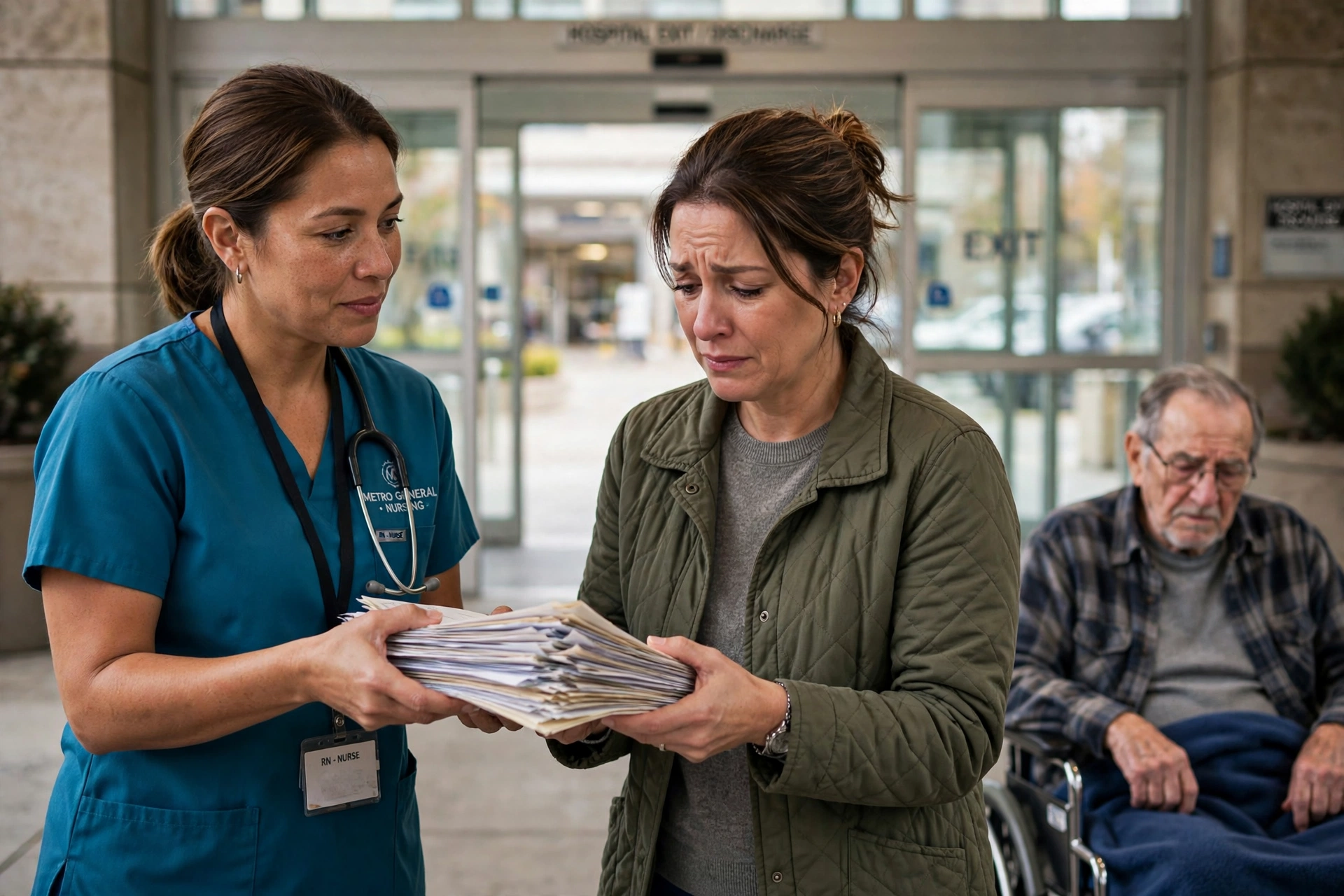
Nurse handing discharge papers to a family member at a hospital exit
Dramatized scene.

After the doors close

The conversation happens once. The questions keep coming.

Discharge teaching is thorough, and it happens in a busy hour. Once a family is home, they may want to revisit what they heard: which medicine does what, what a normal day looks like, when to pick up the phone.

Short audio gives them a calm way to listen again, at the kitchen table, on their own schedule. It supports the teaching your staff already did. It does not stand in for an emergency plan.

How it works

Designed to fit the discharge handoff you already have.

  1. 1Approve the selected series, eligible population, and local handoff.
  2. 2One nurse, social worker, or discharge planner points to the approved QR code in the existing discharge materials and offers help opening it.
  3. 3Patients or caregivers revisit the released audio at home through the approved destination.

Extra education—not a replacement for personal discharge instructions, clinical teaching, interpreter services, or instructions about when to seek help.

No scannable code is shown here because no destination has been approved. A printed short URL or direct link can serve as an alternative once one is approved. Browser access is the intended experience; it is not a guarantee for an untested hospital portal.

The pilot offer

Start with a focused heart-failure pilot.

90 days·$6,000·one hospital unit

The pilot fee is credited toward a $24,000 annual license on conversion. The agreement defines included content, facility/unit coverage, services, and conversion terms.

What we evaluate

Documented resource offers, access barriers, approved aggregate scan/listening events, and staff feedback on workflow fit. Event definitions are agreed before launch. A scan is not a verified patient, comprehension measure, or clinical outcome.

The pilot clock starts at the approved patient-facing launch. Readmission reduction, penalty avoidance, savings, and adherence improvement are not promised results. Any hospital-led clinical evaluation is exploratory and separate from this offer.

Series

Focused series, one condition at a time.

Each series is four short episodes. Heart failure is the first hospital pilot application, not the limit of the brand.

Living with Heart Failure series cover: a blue heart around a table with a water pitcher, vegetables, and a blood pressure cuff.

English · First pilot focus

Living with Heart Failure

Production complete · Preview by request
  1. What Heart Failure Means Day to Day
  2. Medications That Keep You Home
  3. Salt, Fluids, and the Daily Rhythm
  4. Warning Signs and When to Call
Download the Daily Weight and Rhythm Tracker (PDF)Try the interactive daily tracker

Marketing preview · Episode 1 excerpt: What Heart Failure Means Day to Day (about 45 seconds)

A short excerpt for hospital reviewers. It is not a full episode and does not mean the series is released for patient use.
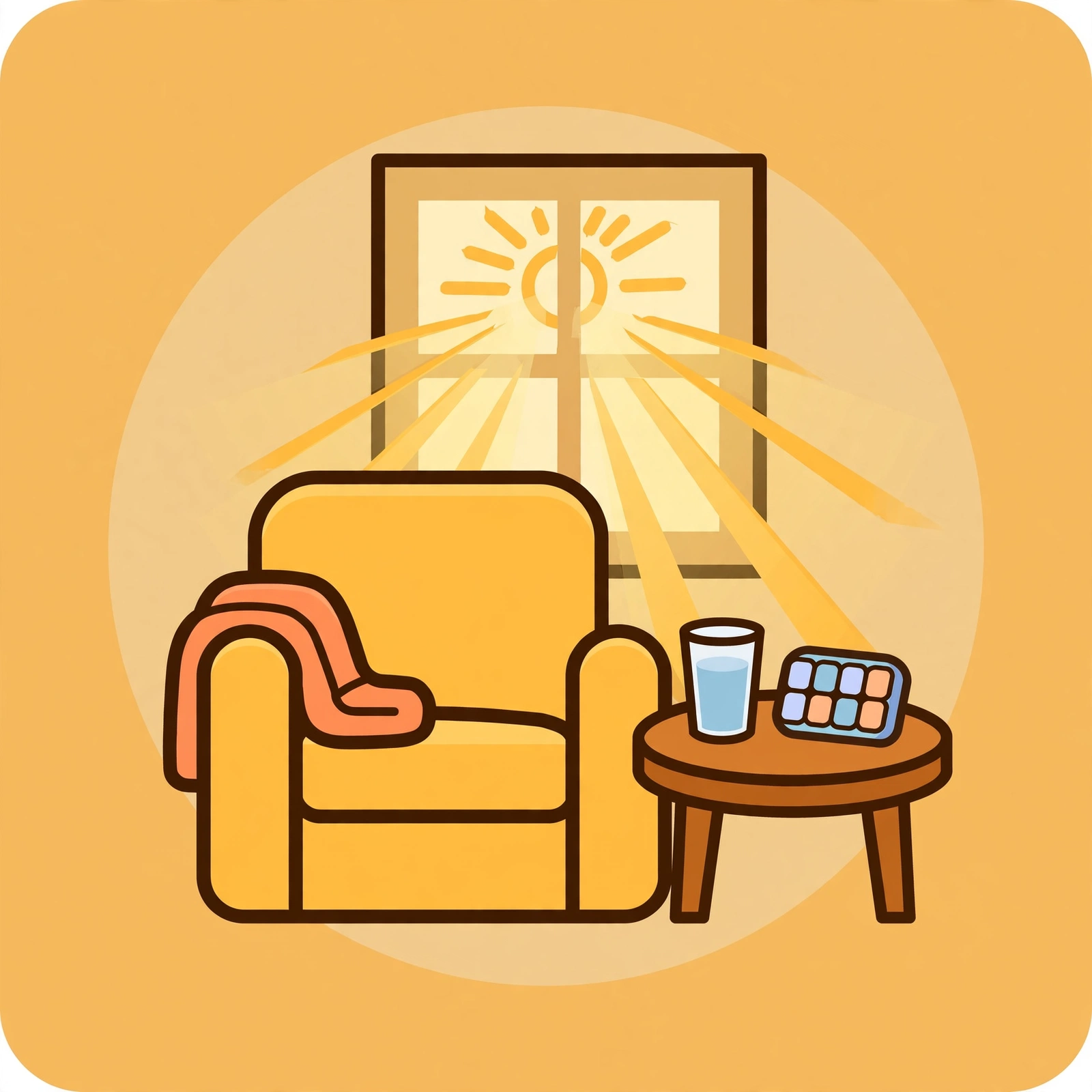
Home After Surgery series cover: a yellow armchair by a sunny window beside a table with a glass of water and a pill organizer.

English · Second series

Home After Surgery

Production complete · Preview by request
  1. Before You Leave the Hospital
  2. Pain Without the Fog
  3. Meds, Movement, and the Daily Rhythm
  4. When to Call for Help
Download the Daily Rhythm Planner (PDF)

Marketing preview · Episode 1 excerpt: Before You Leave the Hospital (about 45 seconds)

A short excerpt for hospital reviewers. It is not a full episode and does not mean the series is released for patient use.

Both English series have finished scripts and audio that passed production QA. Complete-series publication and approval for a particular hospital’s patient use are not confirmed.

Spanish status

Spanish heart-failure education, adapted for the audience.

Vivir con insuficiencia cardíaca includes four adapted episodes and two culturally grounded vignettes. Production is complete; bilingual clinical review and patient release are pending.

Vivir con insuficiencia cardíaca

The episodes are rewritten for Spanish-speaking families rather than translated word for word. The two vignettes:

  • El sazón de abuela
  • Las dos de la mañana

No release date is promised, and no listening access is available yet.

Review approach

Production, preview, review, and release are separate steps.

We keep them apart so no one mistakes a finished recording for permission to hand it to patients.

Production QA
Complete
Both English series have finished scripts and audio that passed production QA.
Public marketing preview
Two excerpts approved
Two Episode 1 excerpts are labeled previews. A preview does not establish patient release.
Hospital clinical review
Hospital-led
Your clinical reviewers decide what is appropriate for your patients.
Patient release
Not confirmed
Complete-series publication and approval for a particular hospital are not confirmed. Full-series playback is unavailable by default.

About

Built from the discharge planner’s side of the desk.

Education families can return to, in their own time.

Heard At Home was developed by John L. Webb Jr., LMSW, from the discharge-planning perspective, with more than 20 years in hospital discharge planning and home health coordination.

FAQs

Questions before a first conversation.

Is this medical advice?

No. It is general education that supplements your clinical discharge teaching, personal instructions, medication directions, follow-up, interpreter services, and emergency guidance. It does not replace them, and it is not for emergencies.

What does our staff have to do?

One nurse, social worker, or discharge planner points to the approved QR code in the existing discharge materials and offers help opening it. Your team approves the series, eligible population, and handoff first.

What does it cost?

The reference offer is 90 days, $6,000, one hospital unit. The fee is credited toward a $24,000 annual license on conversion. The agreement defines included content, unit coverage, services, and conversion terms.

Does it connect to our EHR or portal?

Not in this scope. Access is through an approved destination, and browser access is the intended experience. We do not guarantee behavior inside an untested hospital portal.

What would we learn from a pilot?

Documented resource offers, access barriers, approved aggregate scan or listening events, and staff feedback on workflow fit. A scan is not a verified patient, comprehension measure, or clinical outcome.

Can families listen to full episodes today?

Not by default. Full-series playback stays unavailable until the appropriate authorization and released destinations are supplied. Two short marketing previews are on this page.

See the series before you decide anything.